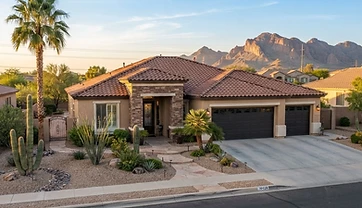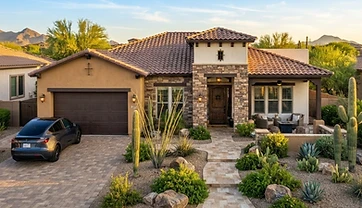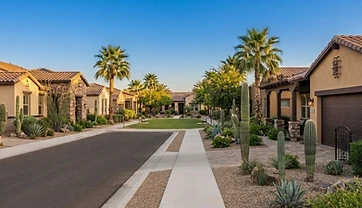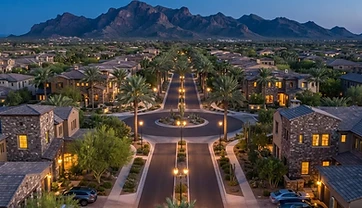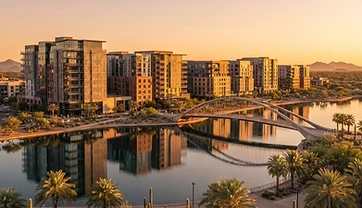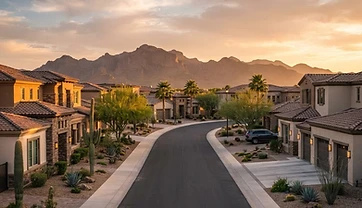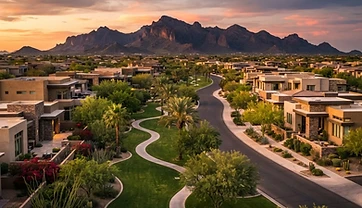

Arizona luxury desert modern home at golden hour

West Valley & Beyond · Real Estate · Buying  · Selling · Investment Opportunities & Mortgage Loan Services all at your fingertips

Find Your
Arizona
Dream Home

Real Estate & Mortgage, Made Simple

Whether you're buying your first home, upgrading to more space, downsizing, or refinancing, I'll guide you every step of the way. From Phoenix and Surprise to Glendale and across the Valley, I offer both real estate and mortgage solutions, one seamless path from home search to closing that saves you time and money.

I am looking for Homes in

Insights

From the Journal

Market updates, buyer and seller guides, and local expertise from across the Valley.

Seller Net Proceeds: What You Keep at Closing

Seller Net Proceeds: What You Keep at Closing

A strong sale price can still produce an unwelcome surprise if you have not calculated seller net proceeds before accepting an offer. The number that matters is not simply what a buyer agrees to pay. It is the cash remaining after your mortgage payoff, transaction costs, negotiated credits, and other obligations are paid through escrow.

For Arizona homeowners, a clear net-proceeds estimate creates a better foundation for every decision that follows. It can help you decide whether to sell now or wait, set a realistic list-price strategy, compare multiple offers, and plan a down payment for your next property. For investors, it is also central to measuring the actual return from a sale rather than focusing only on appreciation.

What Are Seller Net Proceeds?

Seller net proceeds are the funds a seller receives after all costs connected to the sale are deducted from the buyer's purchase price. The figure appears on the final settlement statement, but it should be estimated well before the home goes on the market.

A basic calculation looks like this:

Sale price - mortgage payoff - seller closing costs - credits and concessions - other liens or obligations = estimated seller net proceeds

The formula is straightforward. The variables are not. Your payoff amount can change daily, buyers may request repairs or closing-cost assistance, and customary expenses can vary by property type, location, contract terms, and the services selected for the transaction.

That is why an early estimate should be treated as a planning tool, not a final promise. As offers arrive and escrow progresses, the estimate can be updated with real numbers.

What Reduces Seller Net Proceeds in Arizona?

Your home sale has several common deductions. Some are expected, while others arise from the condition of the property, contract negotiations, or an issue discovered during title review.

Mortgage payoff and lien releases

For most homeowners, the mortgage payoff is the largest deduction. The payoff is not always the same as the balance shown on your latest mortgage statement. Lenders calculate a payoff through a specific date, including accrued interest and, in some cases, fees required to release the lien.

If you have a second mortgage, home equity line of credit, solar financing agreement, judgment lien, or other recorded obligation, it may also need to be resolved before title can transfer. Requesting payoff information early helps prevent surprises when closing approaches.

Real estate compensation and transaction services

Compensation for real estate representation is negotiated and should be clearly understood before listing. Sellers may also agree to contribute toward buyer representation compensation depending on the offer and market conditions. The right approach depends on your pricing, competition, property demand, and the overall strength of each offer.

Title, escrow, recording, and document-related costs can also be part of the transaction. In Arizona, who pays particular fees is often a matter of local custom and negotiation, so a seller should not rely on a generic national estimate. A local net sheet provides a more useful starting point.

Property taxes, HOA charges, and utilities

Property taxes are generally prorated at closing, meaning the seller is responsible for the portion attributable to the time they owned the home. If taxes are unpaid, those amounts must be addressed as part of the closing process.

For a property in a homeowners association, sellers may have transfer fees, document fees, resale disclosure charges, or unpaid assessments. Utility balances, leased equipment obligations, and municipal liens can have a similar effect. These may be modest compared with the sale price, but they still change the final cash-to-seller figure.

Repairs, credits, and buyer concessions

An accepted offer is not always the final financial result. During inspections, a buyer may request repairs, a price reduction, or a credit toward closing costs. A seller can accept, negotiate, offer an alternative solution, or decline, subject to the contract and contingency terms.

A credit is not automatically a bad outcome. In some cases, granting a limited credit may protect the closing timeline and preserve a strong purchase price. In other cases, the request may be too broad or the buyer may not be the best fit for the property. The key is to evaluate the complete financial picture rather than responding to one item in isolation.

Why the Highest Offer May Not Deliver the Best Result

When comparing offers, homeowners often focus first on price. Price matters, but it does not tell the full story of what you will keep.

Consider two offers for the same Arizona home. One is higher by $10,000 but asks for substantial seller-paid closing costs, includes a repair request, and has a financing structure that creates more appraisal risk. The second is lower but has fewer concessions, a larger down payment, and a quicker, more reliable closing path. Depending on the numbers, the lower offer may produce higher seller net proceeds or a materially lower risk of falling apart.

A useful offer comparison looks at the proposed purchase price, seller credits, requested personal property, repair expectations, financing terms, appraisal contingency, earnest money, and closing date. It should also account for the cost of carrying the property if a closing is delayed. Mortgage payments, insurance, HOA dues, utilities, and maintenance add up quickly.

This is particularly important for sellers buying another home. If your next purchase depends on funds from this sale, a realistic net estimate helps you avoid planning around money that may not be available at closing.

How to Estimate Net Proceeds Before You List

Start with a realistic price range based on comparable sales, current inventory, property condition, and buyer demand in your part of Arizona. A high list price does not automatically create a high net. Overpricing can lead to extended market time, price reductions, and greater pressure to make concessions later.

Next, gather the information that drives your estimate: your current mortgage statement, any second-loan details, HOA information, known liens, and any anticipated repair or preparation costs. If you have solar panels, verify whether they are owned, financed, or leased. That distinction can affect the transfer process and the buyer pool.

Then use several scenarios rather than one optimistic number. A practical estimate often includes a conservative sale price, a target sale price, and a stronger-than-expected outcome. Each scenario should account for likely closing costs and a reasonable allowance for buyer concessions. This gives you a range for planning instead of false precision.

Fathom Realty can help Arizona sellers review these figures alongside pricing strategy, market conditions, and their next-step financing plans. Coordinating those decisions early is often what turns a stressful move into a more controlled one.

Do Taxes Affect What You Take Home?

They can, but not every sale results in federal capital gains tax. Many homeowners may qualify to exclude up to $250,000 of gain, or up to $500,000 for qualifying married couples filing jointly, when they meet the ownership and primary-residence use requirements. The rules have exceptions, and investment properties, second homes, inherited homes, and homes used partly for business can require a different analysis.

Arizona does not impose a statewide real estate transfer tax, but that does not eliminate tax considerations. Capital gains, depreciation recapture for rental property, and the timing of a replacement-property purchase can all matter. Investors considering a 1031 exchange must plan before closing because timing and identification rules are strict.

A real estate professional can help identify questions to raise, but your tax advisor should determine how a sale affects your specific return. Do not wait until after closing to ask about a potential tax obligation.

Keep the Estimate Current Through Closing

Your first net sheet is a decision-making tool. Your final settlement statement is the result of the actual contract, lender payoff, title work, prorations, and negotiated terms. Between those points, numbers can change.

Review updated estimates after accepting an offer, after inspections and repair negotiations, and as the closing date approaches. Ask about any line item you do not recognize. A clear explanation now is better than a surprise at the signing table.

Selling a home is not only about achieving the best possible price. It is about understanding what that price becomes after the obligations of the sale are met, then using that knowledge to make a confident next move.

Home Price Estimator

Estimate Your Home Price

Set your estimated home price and down payment to see the monthly payment it produces. These figures are for illustration only, your actual payment and rate will depend on your credit, loan program, down payment, and other factors.

Want a more accurate estimate? Contact me for a personalized payment scenario based on your goals and financial situation.

$0
0% · $0
0.00%

Estimated monthly payment

$0/mo

Down payment
$0
Loan amount
$0
Total interest paid
$0
Get pre-qualified

Estimate only. Excludes taxes, insurance, and HOA. Your actual rate and payment depend on your credit profile and loan program.

Thinking of selling?

Get Your Free Home Valuation

Get a free, no-obligation home valuation based on live Maricopa County market data and my hands-on experience pricing homes in these neighborhoods.

Tell me a little about your property, and I'll send you a personalized valuation report with an estimate of what your home could sell for in today's market.

  • Custom comparable sales analysis
  • Pricing strategy for your timeline
  • Net sheet so you see your real proceeds
Request your free valuation

Maricopa County

Explore the Valley

Every Valley city has its own character and its own value. Compare population, growth, and the landmarks that define each community, then pick a neighborhood to see the homes waiting for you there.

Phoenix neighborhood, Arizona

Phoenix

The heart of the Valley. Established neighborhoods, great schools, and quick access to downtown, a smart, affordable start for first-time and move-up buyers alike.

Population (approx.)

≈1.68M

Annual growth

+0.8% / yr

Urban core & established suburbs

  • Camelback Mountain
  • Papago Park
  • Roosevelt Row Arts District
Scottsdale neighborhood, Arizona

Scottsdale

Resort-style living and luxury golf communities. Scottsdale blends upscale desert architecture, top dining, and vibrant nightlife with stunning mountain views.

Population (approx.)

≈244K

Annual growth

+0.3% / yr

Resort, golf & luxury corridor

  • Old Town Scottsdale
  • McDowell Sonoran Preserve
  • TPC Scottsdale
Surprise neighborhood, Arizona

Surprise

One of the Valley's fastest-growing cities, home to over 150,000 residents, the spring-training Surprise Stadium, and master-planned communities like Sun City Grand, where newer builds and roomy yards stretch your dollar further.

Population (approx.)

≈181K

Annual growth

+3.3% / yr

Master-planned & active adult

  • Surprise Stadium
  • Sun City Grand
  • White Tank Mountain Regional Park
Glendale neighborhood, Arizona

Glendale

Sports, shopping, and solid value. Glendale blends established mid-century ranch homes with newer construction near Arrowhead and Westgate.

Population (approx.)

≈263K

Annual growth

+0.8% / yr

Ranch homes & sports district

  • State Farm Stadium
  • Westgate Entertainment District
  • Sahuaro Ranch Park
Peoria neighborhood, Arizona

Peoria

Top-rated schools and easy outdoor access around Lake Pleasant make Peoria a favorite for growing families seeking space and value.

Population (approx.)

≈203K

Annual growth

+0.8% / yr

Family suburbs & lake access

  • Lake Pleasant Regional Park
  • Peoria Sports Complex
  • Vistancia
Mesa neighborhood, Arizona

Mesa

The East Valley's value leader, spacious single-family homes, family parks, and a relaxed suburban pace close to everything.

Population (approx.)

≈516K

Annual growth

+0.4% / yr

East Valley value & space

  • Mesa Arts Center
  • Sloan Park
  • Usery Mountain Regional Park
Chandler neighborhood, Arizona

Chandler

Tech jobs, strong schools, and tidy neighborhoods make Chandler a smart pick for buyers balancing commute, comfort, and cost.

Population (approx.)

≈279K

Annual growth

+0.2% / yr

Tech employers & top schools

  • Downtown Chandler
  • Chandler Center for the Arts
  • Veterans Oasis Park
Gilbert neighborhood, Arizona

Gilbert

One of the East Valley's most sought-after addresses. Highly rated schools, walkable heritage downtown, and family-first neighborhoods keep Gilbert in steady demand.

Population (approx.)

≈292K

Annual growth

+1.5% / yr

Top-ranked schools & trails

  • Gilbert Heritage District
  • Riparian Preserve at Water Ranch
  • Gilbert Regional Park
Goodyear neighborhood, Arizona

Goodyear

The fastest-growing city on the West Side. New construction, spring-training baseball, and mountain-backed master plans like Estrella Mountain Ranch deliver the most house for the money.

Population (approx.)

≈130K

Annual growth

+4.0% / yr

New builds & mountain-backed plans

  • Goodyear Ballpark
  • Estrella Mountain Regional Park
  • Estrella Mountain Ranch
Tempe neighborhood, Arizona

Tempe

A college town with urban energy. Tempe Town Lake, Mill Avenue, and Arizona State University anchor a walkable core surrounded by established lakeside neighborhoods.

Population (approx.)

≈192K

Annual growth

+0.5% / yr

College town & urban lake living

  • Tempe Town Lake
  • Mill Avenue District
  • Arizona State University
Queen Creek neighborhood, Arizona

Queen Creek

Southeast Valley new construction rooted in equestrian history. Queen Creek pairs custom ranch estates and master-planned communities with top-rated schools and quick access to the San Tan Mountains.

Population (approx.)

≈70K

Annual growth

+8.5% / yr

Equestrian roots & new builds

  • Queen Creek Olive Mill
  • Schnepf Farms
  • San Tan Mountain Regional Park
Buckeye neighborhood, Arizona

Buckeye

The West Valley's next frontier. Massive master-planned communities like Verrado and Tartesso offer brand-new homes, wide-open desert, and the most square footage for the money in the Valley.

Population (approx.)

≈120K

Annual growth

+7.0% / yr

West Valley growth & new construction

  • Skyline Regional Park
  • Buckeye Equestrian Center
  • Verrado Main Street

Population and growth figures are approximate city estimates and are shown for general comparison only.

Questions

Buying in Arizona, answered

Straight answers to what buyers ask me most, from pre-approval to closing day.

Can one person handle both my home purchase and my mortgage?

Yes. I hold an Arizona real estate license and a mortgage loan originator license, so I represent you on the purchase and originate your loan. One point of contact, one set of numbers, and no gaps between the offer and the financing.

Do I need a pre-approval before I start touring homes in Arizona?

You should. Sellers in Maricopa County expect a pre-approval letter with any offer, and it tells us the price range you can shop in with confidence. A pre-approval takes about a day once I have your income, assets and credit details.

How much house can I afford in Phoenix?

It depends on your monthly payment comfort, credit tier and down payment, not just your income. The buying power tool on this page gives you a working estimate in under a minute, and I'll confirm it with a full pre-approval.

Which Valley cities give you the most home for the money?

Surprise, Peoria, Glendale and Mesa typically stretch a budget furthest for newer construction and larger yards, while Scottsdale and central Phoenix carry the premium. I'll map your budget against all ten cities I serve so you can compare honestly.

What does it cost to buy a home in Arizona?

Plan for closing costs of roughly 2 to 3 percent of the purchase price, plus your down payment and prepaid taxes and insurance. As your buyer's agent my commission is paid through the transaction, so there is no out-of-pocket fee for representation.

How long does closing take?

Most Arizona closings run 30 to 45 days from accepted offer. Cash purchases can close in two to three weeks, and because I control the lending side too, we can compress timelines when a seller needs speed.

The Wealth Lab

Mortgage Concierge

Three quiet questions. One honest number. See what your monthly investment actually buys in the Valley before you ever speak with a lender.

  • No credit pull, no obligation, no sales pressure.
  • Priced against today's real rates by credit tier.
  • A licensed broker reviews every estimate personally.
01
02
03

What monthly investment feels right?

Principal, interest, taxes and insurance included.

The agent's studio overlooking the Arizona desert
Rich Evans, Arizona real estate and mortgage professional

License number SA636189000

Real Estate With a
Personal Touch

I believe buying or selling a home should feel personal, not transactional. As a local, independent Realtor, I work directly with every client, providing the personal attention, honest guidance, and local knowledge you deserve from the first conversation to the closing table.

I'm proud to serve the communities that make up the Greater Phoenix and Maricopa County area. I know that a home is more than a property; it's where life happens, where memories are made, and often one of the biggest financial decisions you'll make.

With experience in both real estate and mortgage lending, I bring a unique perspective to the process. My goal is to make your journey clearer, less stressful, and centered around what's right for you and your goals.

Whether you're buying your first home, moving up, downsizing, investing, or preparing to sell, you'll have a dedicated local professional by your side.

Local knowledge. Personal service. Real guidance.

18+

Years in AZ

600+

Families Helped

1:1

Always

Client Voices

Trusted by Valley
families

"Rich made buying our first home feel effortless. He walked us through every number, every document, and every decision, and got us a rate we didn't think was possible."

Jordan & Megan T.

Bought in Surprise

"Having one person handle both the real estate and the mortgage was a game changer. No hand-offs, no confusion, just a clear plan from search to closing."

Priya R.

Refinanced in Glendale

"I was nervous about selling and upgrading at the same time. Rich laid out a timeline that actually worked, and we closed both transactions within three weeks of each other."

Marcus B.

Sold & bought in Peoria